RD’s scope of work is designed for integrated delivery. Our programs are humanitarian and early recovery oriented, with sectoral depth and cross-cutting protection, gender, and inclusion. RD works through community engagement, transparent targeting, risk-aware delivery modalities, and robust monitoring and accountability systems.
Emergency Response (Multi-sector)
- Rapid and participatory needs assessments; prioritization of vulnerable groups.
- Time-critical delivery of life-saving support across Food, Shelter/NFI, WASH and CVA, with protection mainstreaming.
- Clear beneficiary communication and feedback channels to support safe and dignified assistance.
WASH
- Safe water access interventions (water points, distribution, household safe-water measures as appropriate).
- Emergency and durable sanitation solutions and hygiene kit support, aligned with cluster technical guidance.
- Hygiene promotion and behavior change communication (BCC) to reduce public health risks.
Shelter and Non-Food Items (Shelter/NFI)
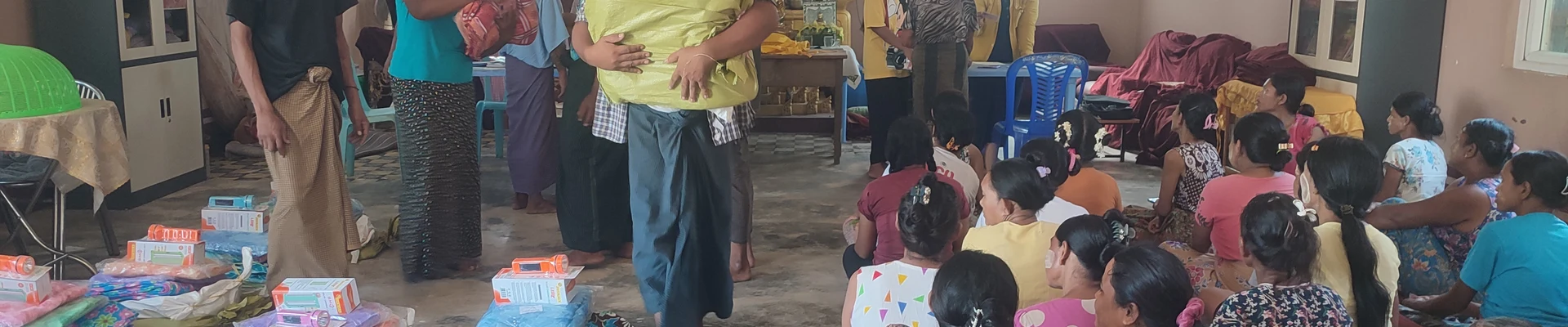
- Emergency shelter solutions and shelter/NFI kit distributions to stabilize affected households.
- Shelter repair and resilience measures where appropriate, incorporating safer construction principles.
- Context-appropriate specifications that respect cultural and gender considerations.
Food Security and Nutrition
- In-kind food assistance and/or market-based modalities (cash/voucher) depending on context and market functionality.
- Nutrition-sensitive assistance and prioritization of at-risk groups (children, pregnant and lactating women, older persons) where feasible.
- Linkages from relief to early recovery through livelihood and asset creation approaches when relevant.
Cash and Voucher Assistance (CVA)
- Multi-Purpose Cash Assistance (MPCA) and sectoral cash modalities, underpinned by market assessment and monitoring.
- Strong verification, financial controls, and post-distribution monitoring to safeguard assistance.
- Adaptation of transfer values and delivery mechanisms based on access, security, and market dynamics.
Protection, Gender and Inclusion (Cross-cutting)
- Protection mainstreaming: safe access, dignity, non-discrimination, and do-no-harm across all sectors.
- Gender and disability inclusion integrated into targeting, distributions, site set-up, and community feedback mechanisms.
- Referral pathways coordinated with partners where specialized services exist.
MEAL and Accountability to Affected Populations (AAP)
- Routine monitoring and post-distribution monitoring (PDM) to assess quality, coverage, and outcomes.
- Feedback and complaints mechanisms (FCM) to strengthen transparency, responsiveness, and community trust.
- Learning loops to adapt programming based on evidence and beneficiary perspectives.